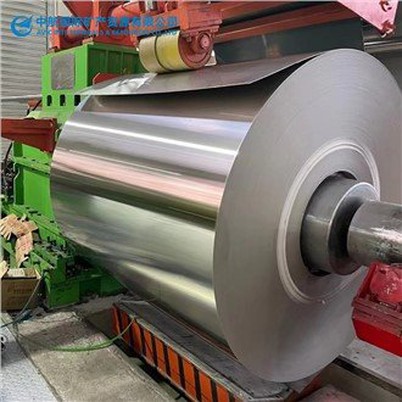
What is the purpose of steel coil?
Leave a message
Steel coils serve a multitude of purposes across various industries due to their versatility, durability, and ease of handling. These coils, made from stainless steel or other types of steel, are used in a wide range of applications, ranging from construction and manufacturing to automotive and consumer goods. Let's explore the diverse purposes of steel coils in more detail:
1. Manufacturing and Construction:
Steel coils are extensively used in the manufacturing and construction sectors for the production of various structural components and equipment. They serve as raw material for fabricating beams, columns, pipes, tubes, roofing, siding, and other building materials. The flexibility and strength of steel coils make them ideal for constructing bridges, skyscrapers, factories, warehouses, and residential buildings.
2. Automotive Industry:
In the automotive industry, steel coils are crucial for manufacturing vehicle components such as body panels, chassis, frames, suspension systems, and exhaust systems. High-strength steel coils are particularly valued for their ability to enhance vehicle safety while reducing weight, contributing to better fuel efficiency and performance.
3. Appliances and Consumer Goods:
Steel coils are used extensively in the production of appliances and consumer goods due to their durability, corrosion resistance, and aesthetic appeal. They are employed in the manufacturing of refrigerators, ovens, washing machines, dishwashers, air conditioners, and various kitchenware items. Stainless steel coils, in particular, are favored for their hygienic properties and sleek appearance in consumer appliances.
4. Energy Sector:
In the energy sector, steel coils play a vital role in the production of equipment for power generation, transmission, and distribution. They are utilized in the fabrication of turbines, generators, transformers, transmission towers, pipelines, and oil and gas exploration equipment. Steel coils with specific properties, such as high temperature or corrosion resistance, are chosen for different energy applications.
5. Industrial Machinery and Equipment:
Steel coils are indispensable in the manufacturing of industrial machinery and equipment used across diverse sectors, including agriculture, mining, aerospace, and manufacturing. They are employed in the production of machine components, gears, bearings, valves, pumps, conveyor systems, and hydraulic systems due to their strength, reliability, and machinability.
6. Packaging and Shipping:
Steel coils are utilized in the packaging and shipping industry for fabricating containers, drums, barrels, pallets, and other packaging materials. These containers are commonly used for transporting goods by sea, land, or air, offering robust protection against damage, corrosion, and environmental factors. Steel coils used for packaging are often coated or treated to enhance corrosion resistance and durability.
7. Infrastructure and Civil Engineering:
Steel coils are essential for building and maintaining infrastructure projects such as roads, railways, bridges, tunnels, dams, and ports. They are used in the fabrication of reinforcement bars, pre-engineered structures, guardrails, noise barriers, and drainage systems. Steel's high strength-to-weight ratio makes it an ideal material for constructing durable and resilient infrastructure.
8. Aerospace and Defense:
In the aerospace and defense industries, steel coils are employed in the production of aircraft components, missiles, satellites, armored vehicles, and military equipment. They are utilized for manufacturing airframes, engine components, landing gear, weapon systems, and structural reinforcements, requiring high-strength and lightweight materials to meet stringent performance and safety standards.
9. Environmental and Renewable Energy:
Steel coils are utilized in environmental and renewable energy applications for fabricating equipment used in waste management, recycling, water treatment, and renewable energy generation. They are employed in the construction of wind turbines, solar panels, hydroelectric dams, waste-to-energy plants, and pollution control systems, contributing to sustainable development and environmental protection.
10. Marine and Offshore Engineering:
Steel coils find extensive use in marine and offshore engineering for constructing ships, offshore platforms, pipelines, buoys, and marine infrastructure. They are chosen for their corrosion resistance, strength, and weldability, ensuring long-term durability and performance in harsh marine environments.
In summary, steel coils serve a myriad of purposes across numerous industries, ranging from manufacturing and construction to automotive, consumer goods, energy, infrastructure, aerospace, defense, environmental, marine, and packaging sectors. Their versatility, durability, and mechanical properties make them indispensable materials for a wide range of applications, contributing to economic growth, technological advancement, and societal development.