How are stainless steel coils made?
Leave a message
Stainless steel coils are a fundamental component in a wide range of industries, including automotive, construction, manufacturing, and aerospace. The process of making stainless steel coils involves several intricate steps, starting from the raw materials to the final product. Let's delve into the detailed process.
1. Raw Materials:
The primary materials required for making stainless steel coils are iron ore, chromium, nickel, and various alloying elements like carbon, manganese, silicon, and molybdenum. These materials are sourced from mines worldwide and undergo thorough quality checks to ensure they meet the required specifications.
2. Melting:
The production process typically starts in an electric arc furnace or an induction furnace, where the raw materials are melted together at high temperatures exceeding 1700°C (3090°F). This process removes impurities and allows for precise control over the chemical composition of the steel.
3. Refining:
Once melted, the molten steel undergoes refining processes to further remove impurities and adjust its chemical composition. Processes like AOD (Argon Oxygen Decarburization) or VOD (Vacuum Oxygen Decarburization) are commonly used to achieve the desired levels of carbon, oxygen, and other elements.
4. Casting:
After refining, the molten steel is cast into semi-finished forms like slabs, billets, or blooms through continuous casting or ingot casting processes. Continuous casting is more common for producing stainless steel coils as it allows for a continuous, uninterrupted process, resulting in uniform quality and reduced production time.
5. Hot Rolling:
The semi-finished forms are then heated to high temperatures and passed through a series of rolling mills to reduce their thickness and shape them into coils. Hot rolling involves passing the material through successive pairs of rolls to gradually decrease its thickness while maintaining its length. The coils are typically annealed between rolling passes to relieve internal stresses and improve ductility.
6. Cold Rolling:
Once the desired thickness is achieved through hot rolling, the coils may undergo cold rolling processes to further reduce thickness, improve surface finish, and enhance mechanical properties. Cold rolling involves passing the coils through a series of rollers at ambient temperature, exerting high pressure to achieve the desired thickness and surface smoothness.
7. Annealing and Pickling:
After cold rolling, the coils are annealed to soften the steel and improve its formability and ductility. This process involves heating the coils to high temperatures in controlled atmospheres and then slowly cooling them. Following annealing, the coils are pickled in acid baths to remove any scale, oxide, or contaminants from the surface, leaving a clean, smooth finish.
8. Finishing:
After pickling, the coils may undergo additional processes like leveling, cutting, or slitting to meet specific customer requirements. Leveling ensures uniform flatness across the coil surface, while cutting and slitting divide the coils into smaller widths or lengths as per customer specifications.
9. Surface Treatment:
Depending on the intended application, stainless steel coils may undergo surface treatments like polishing, coating, or passivation to enhance corrosion resistance, appearance, or other properties.
10. Inspection and Quality Control:
Throughout the manufacturing process, rigorous quality control measures are implemented to ensure that the stainless steel coils meet the required standards and specifications. This includes dimensional checks, chemical analysis, mechanical testing, and visual inspections.
11. Packaging and Shipping:
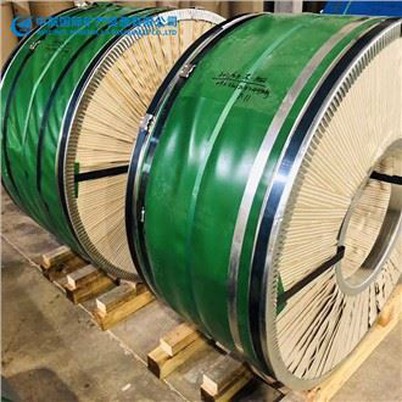
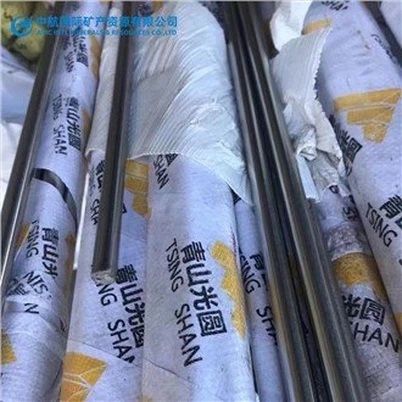
Once quality checks are completed, the stainless steel coils are carefully packaged to protect them during transportation and storage. They are typically packed in wooden crates, steel frames, or wrapped with protective materials to prevent damage or corrosion during transit.
In conclusion, the production of stainless steel coils involves a series of complex and precise processes, starting from raw materials and culminating in high-quality coils ready for use in various industrial applications. Each step in the process plays a crucial role in determining the final properties and performance of the stainless steel coils.