Is stainless steel coil safe for vape?
Leave a message
Stainless steel (SS) coils are commonly used in vaping devices, particularly in advanced setups and temperature control (TC) modes. However, the safety of stainless steel coils for vaping depends on several factors, including the specific grade of stainless steel, coil construction, vaping settings, and individual preferences. Let's explore these factors in detail to understand the safety considerations associated with using stainless steel coils in vaping:
1. Stainless Steel Grade:
The safety of stainless steel coils for vaping primarily hinges on the grade of stainless steel used. The most common stainless steel grades used in vaping are:
304 Stainless Steel: This grade is widely used in various industries due to its corrosion resistance and versatility. It contains chromium and nickel, making it suitable for vaping applications.
316L Stainless Steel: This grade is similar to 304 stainless steel but contains additional molybdenum, enhancing its corrosion resistance, particularly in chloride environments. 316L stainless steel is often preferred for vaping due to its purity and inertness.
Both 304 and 316L stainless steel are generally considered safe for vaping when used within their intended temperature ranges.
2. Coil Construction:
The safety of stainless steel coils also depends on their construction and quality. Factors to consider include:
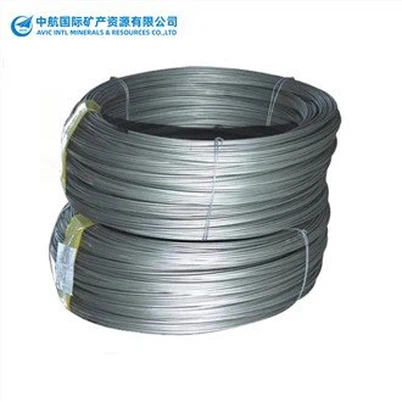
Wire Purity: High-quality stainless steel wire should be free from contaminants and impurities that could potentially release harmful substances when heated.
Coil Design: Proper coil construction, including spacing, wraps, and diameter, can impact the coil's performance and safety. Coils should be built with care to avoid hotspots and ensure even heating.
3. Temperature Control Mode:
Stainless steel coils are commonly used in temperature control (TC) vaping mode, where the resistance of the coil is monitored and regulated to maintain a consistent temperature. TC mode prevents the coil from overheating, reducing the risk of dry hits and burnt wicks.
When using stainless steel coils in TC mode, it's essential to:
Set the Temperature Correctly: Ensure that the temperature setting is appropriate for the specific stainless steel grade being used. Refer to manufacturer recommendations or vaping community resources for guidance.
Monitor Resistance Changes: Stainless steel's resistance changes predictably with temperature, allowing TC devices to regulate the coil's temperature accurately. Regularly check the coil's resistance to ensure stable performance.
4. Avoiding Dry Hits:
Dry hits occur when the wick is not adequately saturated with e-liquid, leading to overheating and potentially harmful byproducts. To prevent dry hits when using stainless steel coils:
Prime the Coil: Before vaping, prime the coil by saturating the wick with e-liquid to ensure proper wicking and prevent dry hits.
Monitor E-Liquid Levels: Avoid vaping when the e-liquid level is low to prevent the wick from drying out and reduce the risk of dry hits.
5. Vaping Preferences:
Individual vaping preferences and sensitivities may influence the choice of coil material and vaping settings. Some vapers may prefer stainless steel coils for their clean flavor profile, while others may have sensitivities to certain metals.
Allergies and Sensitivities: Some individuals may have allergies or sensitivities to specific metals used in stainless steel alloys. If you experience any adverse reactions while vaping with stainless steel coils, discontinue use and consult a healthcare professional.
Flavor and Vapor Production: Stainless steel coils are known for their clean flavor and rapid ramp-up time, making them popular among vapers who prioritize flavor and vapor production.
6. Maintenance and Care:
Proper maintenance and care of vaping equipment, including stainless steel coils, are essential for ensuring safety and longevity:
Regular Cleaning: Clean vaping equipment regularly to remove residue and buildup that can affect performance and flavor.
Replace Coils as Needed: Replace coils periodically, as worn-out coils can degrade performance and potentially pose safety risks.
Inspect for Damage: Regularly inspect coils for signs of damage, such as fraying wires or hotspots, and replace them if necessary.
Conclusion:
In conclusion, stainless steel coils can be safe for vaping when used correctly and with proper precautions. The choice of stainless steel grade, coil construction, vaping settings, and maintenance practices all play crucial roles in ensuring safety and optimal performance. By understanding these factors and following best practices, vapers can enjoy the benefits of stainless steel coils while minimizing potential risks. As always, if you have any concerns about vaping safety or coil materials, consult with knowledgeable vaping professionals or healthcare providers for guidance tailored to your individual needs.